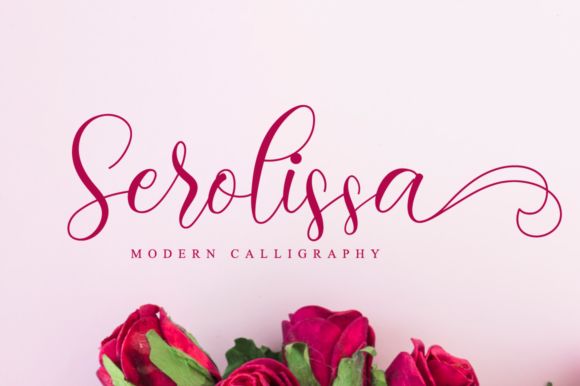
Beautiful Script Font for Web Design
As a web designer, I’m always on the lookout for fonts that bring personality and visual interest to digital projects. Serolissa, a delicate and flowing handwritten font from the Script Amp collection, has quickly become one of my go-to choices for adding a touch of elegance to website layouts.
A Handwritten Touch for Digital Projects
Testing Serolissa in a hero section of a boutique online store was the perfect starting point. The font’s soft curves and natural flow gave the header a warm, inviting feel that stood out against the clean background. It felt like a breath of fresh air in an otherwise minimal design, making it ideal for brands that want to convey authenticity and creativity.
On mobile devices, Serolissa held up well. Its legibility at smaller sizes made it suitable for headlines and CTA buttons without losing its charm. I found it especially effective when paired with a simple sans serif font for body text, creating a balanced contrast that kept the design modern yet expressive.
Perfect for Branding and Visual Hierarchy
Using Serolissa in a coaching website’s landing page helped establish a strong visual hierarchy. As a headline font, it drew attention without overwhelming the viewer. The font’s subtle swashes and ligatures added a layer of sophistication that elevated the overall aesthetic.
For a portfolio site, I experimented with using Serolissa as a logo text alternative. Its flowing nature gave the brand a personal, handcrafted feel that aligned perfectly with the creative nature of the business. It worked especially well when combined with a bold display font for secondary headings, allowing the design to maintain clarity while still feeling artistic.
Responsive Layouts and Accessibility Considerations
When testing Serolissa on image overlays, I noticed how it maintained its readability even when placed over busy backgrounds. This makes it a great choice for banners and promotional sections where text needs to stand out without being distracting.
However, I also learned that Serolissa isn’t the best fit for long paragraphs or dense content. Its decorative style can become difficult to read when used in large blocks of text, which is why I recommend pairing it with a more traditional sans serif or serif font for body copy. That said, it shines in short phrases, titles, and decorative accents.
Webfont Availability and Licensing
Before integrating Serolissa into any project, I checked the available file formats and licensing terms. The font comes in multiple weights and includes alternates and ligatures, which is a huge plus for designers looking to add variety to their layouts. The webfont version was easy to implement, and the performance was smooth across different browsers and devices.
For commercial use, the licensing allowed for both print and digital applications, which is essential for clients who need a font that can be used across various platforms. I also appreciated the multilingual support, which ensures that the font works well with different character sets and languages.
Pairing Serolissa with Other Fonts
Font pairing is key when working with a script font like Serolissa. I found that combining it with a clean, neutral sans serif created a balanced look that was both professional and visually appealing. For editorial-style websites, pairing it with a classic serif font added a timeless quality that felt right at home in a blog or magazine layout.
When designing a course sales page, I used Serolissa for the main headline and paired it with a bold, modern display font for subheadings. This combination helped guide the user’s eye through the content while maintaining a cohesive visual identity.
Conclusion: A Versatile Choice for Creative Web Projects
Serolissa brings a unique blend of elegance and personality to digital design. Whether you’re working on a boutique online store, a creative portfolio, or a branding project, this font offers a stylish way to enhance your website’s visual appeal. Its versatility, readability, and ease of use make it a valuable addition to any designer’s toolkit.