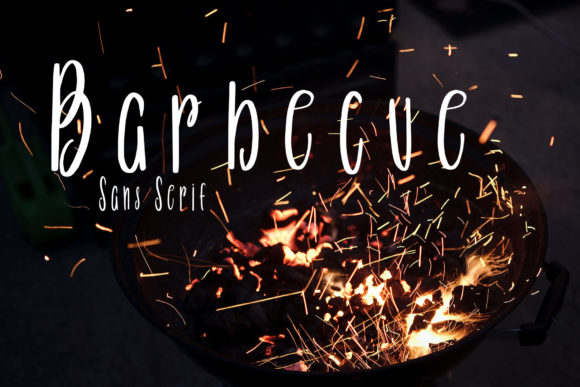
Barbecue is a sweet and friendly handwritten font that brings a personal touch to digital design. As a web designer, I often find myself searching for a typeface that feels authentic yet versatile. Barbecue fits perfectly into that space, offering a natural and unique style that works across a wide range of projects.
I first tested Barbecue in a hero section of a boutique online store. The font’s soft curves and playful rhythm made it feel approachable, which aligned with the brand’s mission of creating cozy, handmade products. It stood out against a clean background without overpowering the design. The font’s personality felt like an extension of the brand’s voice—friendly, warm, and inviting.
One of the things I love about Barbecue is how it balances creativity with readability. In a world where users scan content quickly, it’s important that a font doesn’t sacrifice clarity for style. Barbecue maintains legibility even at smaller sizes, making it a good choice for headers and short phrases. However, I found that it works best as a display font rather than body text. For longer paragraphs, I paired it with a simple sans serif to keep the layout balanced and easy to read.
When working on a coaching website, I used Barbecue for the main headline and subheadings. The font added a sense of warmth and authenticity that matched the site’s focus on personal growth and connection. It also worked well over image banners, where its flowing lines complemented the visual elements without clashing. The font’s subtle variations gave it a handcrafted feel, which reinforced the brand’s message of individuality and care.
In a product landing page, I experimented with Barbecue for call-to-action buttons. The font’s friendly shape made the buttons feel more approachable, encouraging users to take action. However, I noticed that on mobile screens, the font could appear slightly less crisp if not optimized properly. To address this, I adjusted the font size and spacing, ensuring that it remained clear and legible across different devices.
For a creative portfolio site, I used Barbecue in the logo and section headings. The font’s handwritten quality added a personal touch that reflected the designer’s unique style. It also worked well as a decorative accent, helping to break up sections and guide the user’s eye through the layout. The font’s versatility allowed me to use it in multiple places without overwhelming the design.
When considering Barbecue for a blog redesign, I focused on its ability to enhance the visual hierarchy. Using it for article titles and featured sections helped draw attention to key content while keeping the overall layout cohesive. I paired it with a serif font for body text, creating a contrast that improved readability and gave the site a more editorial feel.
Barbecue also proved useful in social media graphics and digital ads. Its expressive style made it ideal for headlines and captions, adding a human element that resonated with audiences. Whether used in a promotional banner or a campaign landing page, the font brought a sense of personality and charm that traditional fonts often lack.
As I explored different applications, I made sure to check the font’s available styles, weights, and multilingual support. Barbecue comes in a range of options, making it easier to adapt to various design needs. The webfont availability was straightforward, and the licensing terms were clear, which is essential when working on client projects or commercial websites.
Font pairing is another consideration when using Barbecue. While it shines as a display font, it pairs well with simpler typefaces that provide contrast and balance. A modern sans serif or a classic serif can create a harmonious look that elevates the overall design. This flexibility makes Barbecue a valuable addition to any digital brand kit.
For small business websites, Barbecue adds a touch of character that can differentiate a brand from competitors. Whether used in a homepage header, product title, or promotional tagline, the font helps create a more engaging and memorable experience. It’s especially effective for brands that want to convey a sense of authenticity and craftsmanship.
In a course sales page, I used Barbecue for the main headline and key benefits. The font’s friendly tone helped build trust and make the content feel more relatable. It also worked well with bold colors and imagery, enhancing the visual appeal without distracting from the message.
Overall, Barbecue is a versatile and expressive font that can elevate a wide range of digital projects. Its natural style and friendly personality make it ideal for creative portfolios, boutique stores, coaching sites, and more. Whether used as a headline, logo, or decorative element, it adds a unique touch that enhances the user experience.
As I continue to explore new design challenges, Barbecue remains a go-to choice for adding a personal and artistic flair to my work. Its combination of style and usability makes it a standout option for web designers and digital creators looking to build a more polished and engaging online presence.